

Youth Ministry Hints, Youth Ministry Resources, Youth Ministry Thoughts
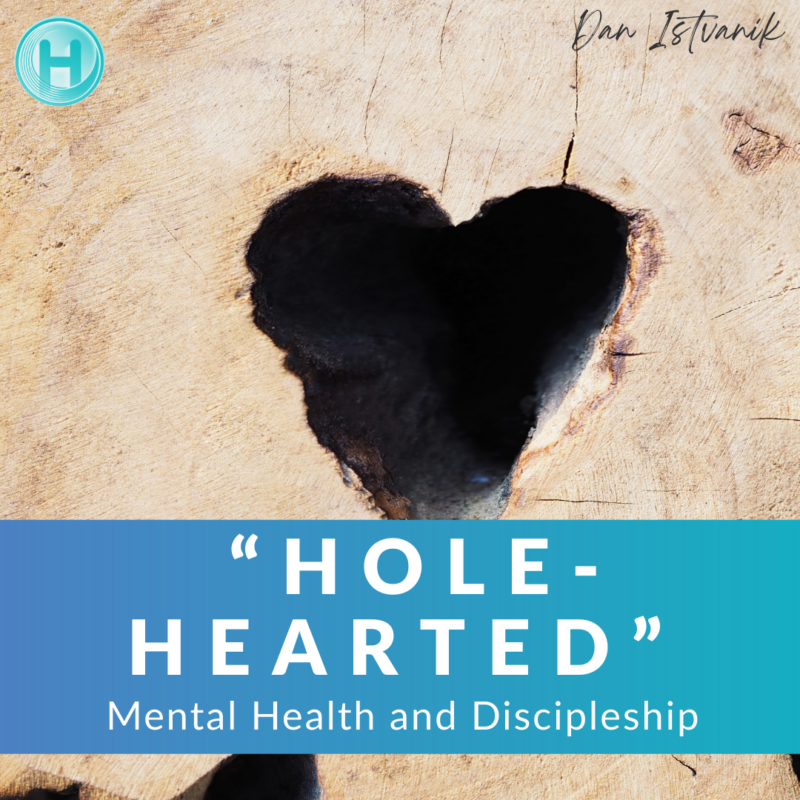
Hole-Hearted: Mental Health and Discipleship
Aug
Hole-Hearted: Mental Health and Discipleship. I’ll never forget the moment a student looked me in the eye and said, “I know God loves me, but sometimes my brain won’t let me believe it.”
It was honest. Brave. And it stopped me in my tracks.
That conversation opened my eyes to a reality many of us in ministry have tiptoed around for too long: mental health isn’t just a side conversation—it’s central to discipleship.
If we’re serious about forming wholehearted followers of Jesus, we can’t ignore the Hole in the Heart in many of our students, as they face anxiety, depression, trauma, or simply the day-to-day weight of being human in a broken world.
We Are Whole People—Body, Mind, and SOUL.
Discipleship, at its core, is about becoming more like Jesus in every part of our lives. Yet for years, we’ve often focused on the “spiritual” parts—prayer, Scripture, worship—without realizing those practices were always meant to intersect with our emotional and mental well-being.
Jesus didn’t just save souls; He touched bodies, listened to stories, wept with mourners, and dignified the mentally tormented. His ministry was deeply holistic. He met people in the middle of their mess and didn’t flinch.
Shouldn’t our discipleship do the same?
Making Space for the Struggle
In your group, start small. A simple series on anxiety and peace. Find a few trusted adults trained in Mental Health First Aid. Space at the end of your gatherings for reflection and prayer, with the option to talk to someone. Add questions about emotional check-ins in your small groups.
The change isn’t always dramatic overnight. But it will be real. Kids will start opening up. Leaders will start sharing their own journeys. You can all stop pretending that faith always feels like a mountaintop—and started naming the valleys, too.
The more you do this, the more you will realize: vulnerability doesn’t dilute the gospel; it deepens it.
When students learn they can bring their anxiety, doubt, or trauma to Jesus and still be deeply loved, they’re not just being discipled—they’re being healed.
Partnering with Professionals
Let me be clear: pastors and leaders aren’t therapists. But we can absolutely be bridge-builders. Partnering with Christian counselors, referring students and families to trustworthy professionals, and normalizing therapy from the pulpit (or the youth room) are all ways we care well.
The stigma surrounding mental health has begun to crack, but it hasn’t crumbled yet. Our voices matter here. When we say, “It’s okay to not be okay—and to get help,” we align with the heart of Jesus.
A New Kind of Fruit
What if the fruit of our discipleship included not just more Bible knowledge, but deeper emotional resilience? What if love, joy, peace, patience, kindness, goodness, faithfulness, gentleness, and self-control looked like students who knew how to breathe through a panic attack and still believed they were held by God?
That’s the kind of discipleship we’re chasing. That’s the kind of community we want to build.
If you’re a ministry leader wondering how to begin, just start by being honest. Model it. Preach it. Pray it. Find your local counseling partners. Equip your leaders. And never underestimate the power of saying, “You’re not alone.”
We follow a Savior who meets us in the garden of our anguish, not just the glory of resurrection morning. Let’s walk with our students there, too.
Let’s make space for the whole person—because God always has.