

Youth Ministry Hints, Youth Ministry Resources, Youth Ministry Thoughts
Equip Volunteers with Cultural Intelligence (CQ)
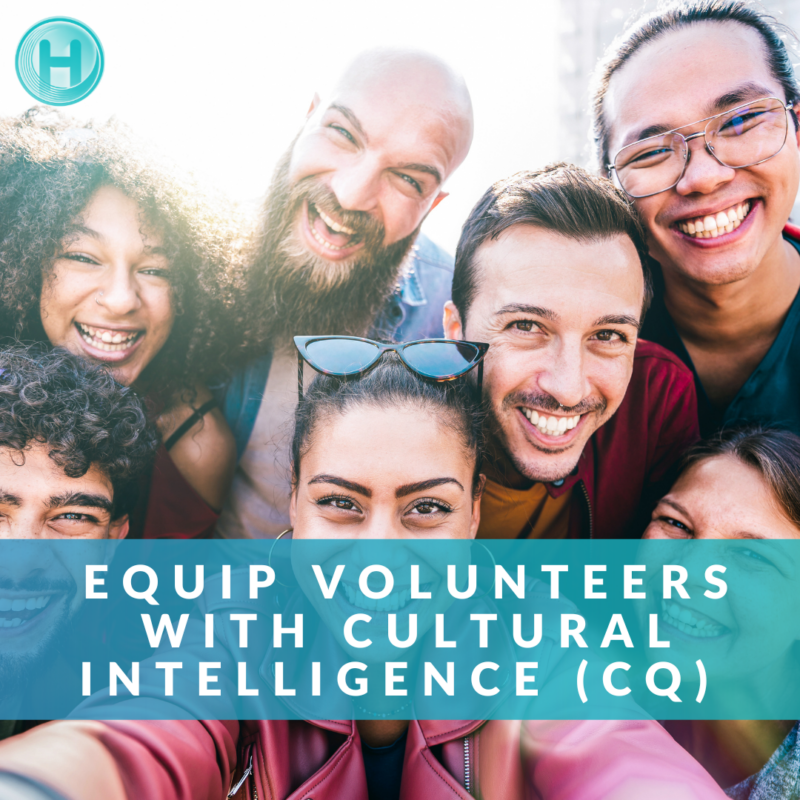
Sep
Equip Volunteers with Cultural Intelligence (CQ) In today’s increasingly diverse and globalized culture, youth ministry volunteers need more than just a passion for students—they need cultural intelligence (CQ). As the students we serve bring a variety of backgrounds, languages, values, and worldviews, CQ equips leaders to connect, care, and lead with empathy and effectiveness.
What Is Cultural Intelligence?
Cultural Intelligence (CQ) is the ability to relate to and work effectively across cultures. Unlike IQ (intelligence quotient) or EQ (emotional intelligence), CQ is specifically about recognizing cultural differences and responding appropriately. It includes four key capabilities:
-
CQ Drive – the motivation to learn about other cultures.
-
CQ Knowledge – understanding cultural norms, values, and practices.
-
CQ Strategy – planning for multicultural interactions.
-
CQ Action – adapting behavior when cross-cultural dynamics are at play.
Why CQ Matters in Youth Ministry
Gen Z and Alpha are the most diverse generation in U.S. history. Many of the students in our ministries come from families shaped by different ethnicities, socioeconomic realities, immigration stories, or even generational trauma. Without CQ, well-meaning volunteers may unintentionally alienate or misunderstand the very teens they are trying to serve.
Equipping volunteers with CQ helps your team:
-
Communicate clearly and respectfully across cultural lines.
-
Avoid assumptions or stereotypes.
-
Create spaces where every student feels seen, known, and valued.
-
Model the Kingdom of God—a community for every tribe, tongue, and nation.
Practical Ways to Build CQ in Your Volunteers
1. Offer training sessions.
Incorporate cultural intelligence into your regular volunteer development. Bring in guest speakers, use curriculum like Cultural Intelligence for Youth Leaders, or host panel discussions featuring diverse voices from your church or community.
2. Encourage cultural curiosity.
Challenge volunteers to listen more than they speak. Suggest books, podcasts, or documentaries that explore different cultures, particularly those represented in your student group.
3. Practice cross-cultural ministry.
Provide regular opportunities to serve in multicultural environments—locally or globally. Debrief the experiences afterward and help volunteers reflect on what they learned and what surprised them.
4. Celebrate cultural diversity.
Don’t just tolerate cultural differences—celebrate them! Encourage students and volunteers to share their traditions, music, or food. This builds appreciation and helps people feel like they belong.
5. Lead by example.
Your tone sets the culture. When you embrace cultural humility, admit mistakes, and prioritize learning, your team will follow your lead.
Final Thought
Jesus crossed cultural barriers constantly—touching lepers, speaking with Samaritans, calling tax collectors. If we want to follow His example, cultural intelligence isn’t optional—it’s essential.
Equipping your volunteers with CQ isn’t just a strategy for better ministry; it’s an invitation into deeper discipleship.
Call to Action:
Looking to integrate CQ into your next volunteer training? Let’s connect. I’d love to help you design a culturally intelligent framework for your youth ministry.